Australian Laneways 2026
Meta: A look at the 2026 laneway projects across Australia, Melbourne to Sydney and on to Perth and Adelaide, with some hard-nosed planning advice for comparison.
The revitalisation of city laneways in Australia is making what were once underused urban spaces more useful, safe and green in the centre of town. You will find Melbourne putting the finishing touches on its laneway network, Sydney has been at work on the important dining and pedestrian links, Perth is concentrating on Mountain Terrace and Northbridge and in Adelaide the activation of a laneway is part and parcel of a wider main-street renewal.
What is it all about? This roundup gives you the lowdown on the changes and why the public domain is being improved, as well as an idea of what local businesses and visitors should put in their plans. I am Darcy Fairchild, a writer from Melbourne with an affinity for maps, no-nonsense transport tips and a coffee one can have without the queueing of a concert. The 2026 project details here are from the planning context provided; but do your due diligence with the council on construction dates and budgets before any travel or business is decided upon.
Changes to be made by way of renewal
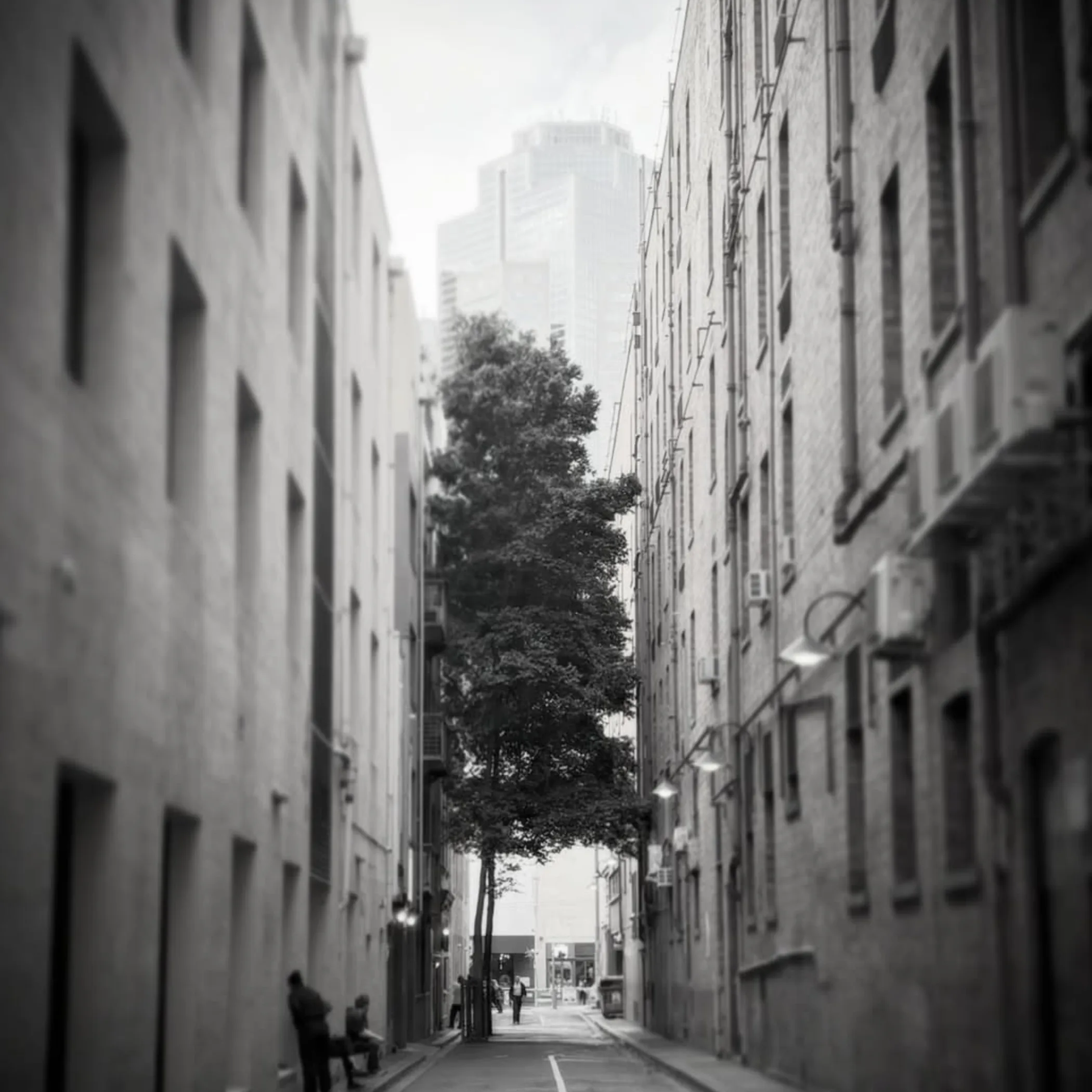
One does not think of laneway revitalisation as merely slapping on paint and a couple of pot plants. For the most part it is a matter of drainage, lighting, accessibility, traffic control, seating and outdoor dining, and giving active frontages the support they need. These details are central to the broader urban laneway dining evolution.
A good project will see a laneway as a destination and a route for every day. It has to accommodate the person off to work at 8, a family wanting lunch at noon and the restaurant doing trade after dark. If it is only suitable for an Instagram then something has been lost.
From service lane to public place
Older lanes were put in for the convenience of vehicles, waste collection and deliveries. In redeveloping them the question is how to make room for people, some planting and the odd small event or local trade without impeding what is essential.
Expect to see planter boxes, speed bumps, better paving and more defined crossing points, and in some cases a 20 km/h limit or similar where the road authority deems it necessary following a traffic assessment.
Five cities and their approach
We have compared the work in Melbourne, Sydney, Perth and Adelaide along with a suburban case from Chatswood Council. They all come from a different vantage point. Sydney is making connections to entertainment and public space, Adelaide is subsuming smaller streets into a city-centre effort, while Perth is building on Northbridge. Then there is Melbourne with its own laneway identity.
The point is that there is no standard laneway activation in Australia. What you get is a set of local answers to matters of heritage, safety, climate, footfall, what the businesses require and the grant money on hand.
Melbourne and its laneway network
In Melbourne the small street is integral to the city’s character and the 2026 figures are testament to that. The issue is less about whether the laneways are there than how to make the network more resilient and accessible to the growing numbers using it.
Little Streets and Green Your Laneway from the City of Melbourne are instructive when it comes to public space and local input. They also put a fine point on the need for upkeep. A mural may be attractive but it does not change the fact that an overflowing bin is an overflowing bin on a Saturday night, nor does it water the plants or fix the paving.
Some practical gains from greening
Green Your Laneway has made the case for green infrastructure in the smallest of streets, offering shade, habitat and a pleasant place to walk. But the plantings have to be suited to the environment. There is not much soil in a narrow lane and the heat is reflected back; sunlight is at a premium and pedestrians are thick on the ground. Planter boxes are an option if placed safely and kept up, and with sufficient width for prams, wheelchairs and those with shopping bags.
Hosier Lane and Hardware Lane are case in point for Melbourne’s culture. The former is all about the art and the tourists, the latter is where one goes for a café and to dine outside. And over on Little Lonsdale and Little Bourke you can see how a laneway fits into the larger hospitality and retail mix.
Lighting for safety
Proper lighting allows one to take in the space, spot an entrance or a change in level and avoid the dark corners, all without the glare or obliterating of artwork and heritage features.
But safety is as much about activity. Open sightlines, sensible loading and an active frontage will do more for it than decoration. One notices the change in a route with some speed once a café puts out of business, even if the paving is unchanged; my early forays into mapping Melbourne lanes made me aware of how that affects the degree of passive surveillance.
A traveller to Australia would do well to consult a laneway map prior to arrival and then put a current mapping service to work to verify the way back. It is the most straightforward course of action. A lane might link two important streets yet present an obstacle in the form of a delivery van or stairs, or be shut for the time being.
Sydney’s Connected Laneway Upgrades

In Sydney the upgrades are about the pedestrian flow from one major street to another, be it to a retail or dining precinct or public space. Take the Angel Place or the George Street and Chinatown Laneways: they are case studies in what a minor intervention can do to a walking network at large.
The City of Sydney has a way of putting laneways in the context of city-centre movement as a whole, not as some decorative afterthought, which makes their public-space planning worth looking at. Any changes to access, or consultation notices, should be verified on the City’s official information before one visits or undertakes any works.
Angel Place And Public Life
You will find at Angel Place how a bit of art, some seating and shade along with priority for the pedestrian can make a narrow thoroughfare a spot to while away time. But there is more to a successful space than looks. One must be able to navigate it with ease and find it comfortable in the heat come what hour it is.
Then you have the Chinatown Laneways with their own set of demands. They have to cater to high footfall, cultural activity, food businesses and deliveries. When the street is as packed as sardines, good evening light and uncluttered service arrangements become paramount.
George Street Connections
Upgrades to the George Street Laneways are of value in so far as they tie in with the bigger pedestrian routes. There is a sense of safety and utility when a person can tell where he is going and cross over without coming face to face with a vehicle in a hurry.
On a day trip to Sydney I would recommend making of a main-street route your return after having put in some walking in a laneway precinct and had lunch, having started from a transport stop in the centre of town. Put aside 90 minutes for a short-looking route to account for the odd crossing, a stop at a café or a queue.
Perth’s Northbridge Focus

Mountain Terrace and the like are the talking points when it comes to revitalising Perth’s laneways in Northbridge. The idea is to draw people into these smaller urban spaces and foster hospitality and culture.
With the climate in Perth, durable materials and water management are non-negotiable. A project that does not give thought to the heat will leave a lane pleasant in the cool of the day but rough as guts in the summer sun. Greening has to be done in a practical fashion and in keeping with the locality.
Mountain Terrace In Context
The point of Mountain Terrace is that a laneway project is only as good as the precinct it is in. What gives it value are the links to public transport and venues in Northbridge, the lighting and safe passage between them.
It is advisable to see what the evening conditions and event closures are like before setting off. Northbridge is a different proposition after dark to what it is by day. A plan for getting back and a phone with charge in it are better than relying on the notion that every lane will conveniently put you back at the station.
Northbridge After Dark
For the laneways to be properly activated in the evening, safety and transport planning have to be in step with the businesses and lighting. Outdoor dining is fine for natural surveillance provided it does not hem in the footpath to the point where those with mobility aids are at odds with tables or traffic.
Businesses want certainty too. Months of trade can be impacted by temporary closures, loading and waste collection issues. Community consultation and open lines of communication are part of the commercial infrastructure of the project, not mere administrative matters.
Adelaide’s Main-Street Link
There is a connection between the revitalisation of Adelaide’s laneways and the wider planning of the city centre, the Hindley Street Revitalisation for instance. Smaller lanes are at their best when they are an extension of a well-kept and legible main street.
The compact nature of Adelaide may make it easy to get from one venue to another but the quality of the walk is something else. Active frontages, good light and accessible surfaces will see people put in less time on detours and stay longer.
Hindley Street And Nearby Lanes
The programme at Hindley Street is instructive as to how a main street and its side connections relate. An improved lane offers room for an event or a small enterprise, and a new look on the main street will send more of them your way.
It is a common error to think of activation as simply putting in more tables. Dining is but one application. To be truly successful, a lane will require room for the rest: deliveries, performances and public art, some greening, accessible travel and emergency access, to name a few.
A lesson from Chatswood
The Council at Chatswood would have you know that renewal of the laneway variety is not the sole preserve of capital-city heritage cores. Suburban centres are well able to put their smaller streets and pedestrian links to work for retail and local character.
Then there are the unglamorous practicalities of it all. One has to ask if the route is findable, or if it can be negotiated with a pram or mobility device. Is it any good in inclement weather? Will the lighting do its job once the businesses have shut? Such questions are not as showy as a launch, yet they are what will bring people back.
Small business and dining
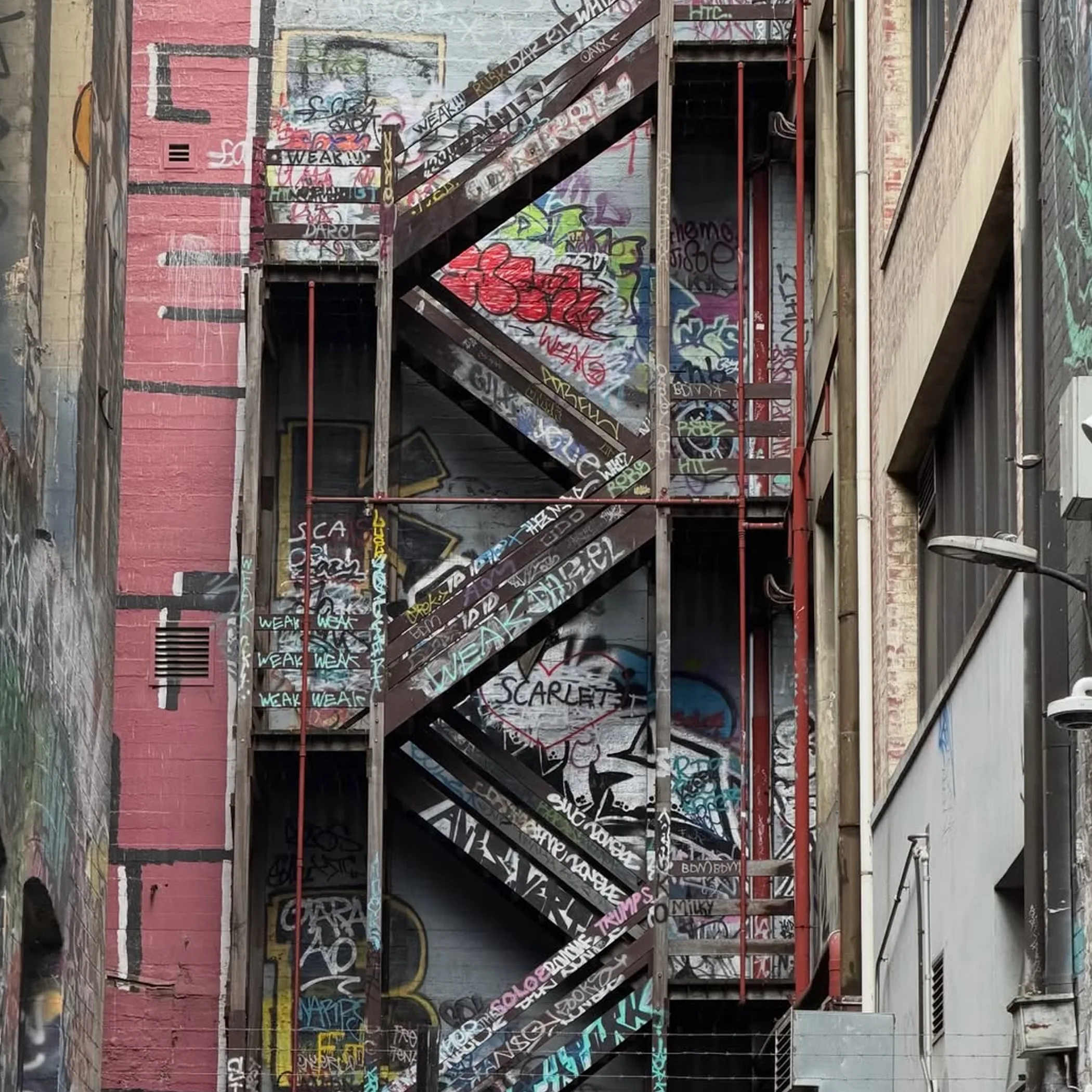
In the city centre, the way businesses make do with space is being redefined by the evolution of urban laneway dining. An independent retailer or café may well find advantage in the slower pace and edges that give people cause to leave the main road.
But do not count on foot traffic. Noise will disturb residents, construction is an impediment for a while and tables left to their own devices can be a source of conflict. What is called for from councils and the like is an operating plan of substance, not a date for the ribbon cutting.
Reality and expectation
One might expect a revitalised lane to be profitable and bustling right away. In reality there is disruption before the upside, and how it turns out is a matter of transport, opening hours, the weather and maintenance. Or that public art will be the answer to safety; it will lend identity and draw visitors, but no amount of art is a substitute for proper sightlines, enforcement, cleaning and design.
What a business should check
An operator looking to put money into a laneway should want to know about customer arrival, where the deliveries go, the impact of tables on passage and the state of things during construction. See if there is grant funding to be had and that approvals are in order for trading hours, signage and the rest. Make sure of your delivery windows, emergency routes and pedestrian access. Take measurements of the clear ground around the street furniture and planters. Put in place provisions for rubbish collection and late-night cleaning in all weathers. And let customers of an alternate entrance when there is building work.
- Confirm pedestrian access, delivery windows and emergency routes.
- Measure clear paths around tables, planter boxes and street furniture.
- Plan for heat, rain, wind, rubbish collection and late-night cleaning.
- Tell customers about alternate entrances during construction.
Design
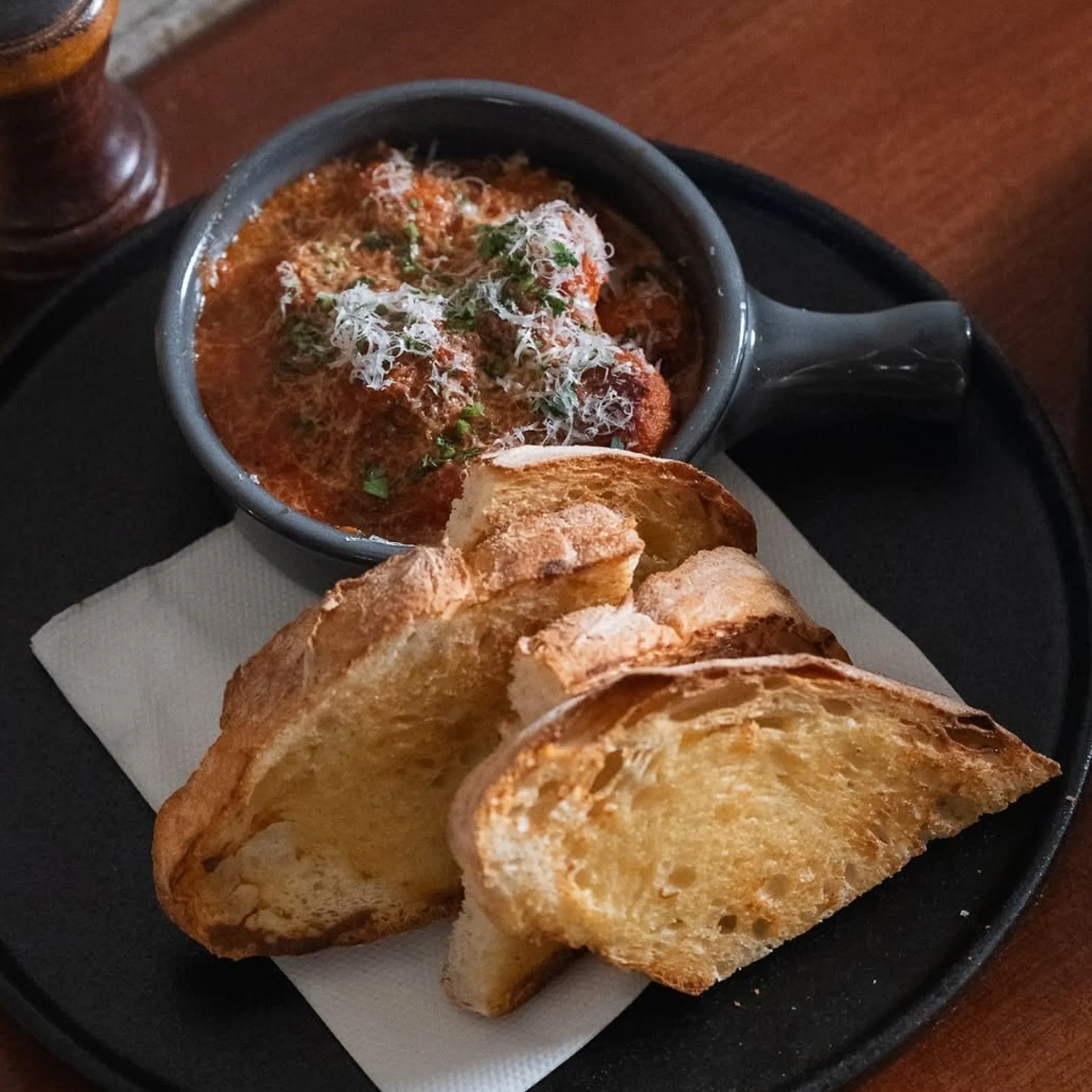
There is appeal in the lighting and greenery, but accessibility and upkeep are what makes a project of use to the community at large. A good laneway is safe and comfortable for those not intent on having their photograph taken. I am wont to be wary of a planting scheme that is fine on the day of opening but has no strategy for watering or replacement; my experience in landscape design tells me green infrastructure requires a budget and a team to see it through a dry spell, not merely a ceremonial shovel and some enthusiasm.
Testing the design
Go over the route at a leisurely pace. Note the gradient, the door thresholds, the height of the seating, the crossing points. Put yourself in the position of someone with low vision or who has to manage a child and some shopping. Traffic measures such as speed bumps and restricted vehicle access are of little help unless the signs and markings make them plain. You do not make safety out of confusion.
Seasons and weather
The summer heat is not the same in Perth or Adelaide as it is in Melbourne or Sydney, but exposed spaces in any of them call for thought as to shade and drinking water. Wind can turn an umbrella or a piece of loose furniture into a hazard and winter rain will lay bare any drainage deficiencies. It is best to allow extra time for puddles and slippery ground after a wet day. There is no prize for finding your “quick loop” of the laneway terminates at a bin enclosure in a downpour.
Outcomes
To compare Australian projects in 2026 one must look beyond the prettiest lane. The figures that tell you something are the ones for safety, access, the quality of the greenery and maintenance, how the businesses are doing and if the space is still in use once the publicity has died down. As for verified budgets or visitor numbers, the 2026 context on offer does not have them. What the table sets out is a comparison of the project focus as it has been put forward, with no made-up outcomes or dollar amounts.
| City Or Area | Named Focus | Likely Measures Of Success | Visitor Planning Note |
|---|---|---|---|
| Melbourne | Hosier and Hardware Lanes, Green Your Laneway, Little Streets makeovers | Public art, maintenance, dining, more pedestrian comfort and greener routes | Take a current map to hand and factor in time for the crowds and deliveries |
| Sydney | George Street, Chinatown and Angel Place laneways | Quality of public space, accessibility, evening life and improved connections | Make sure you have a return route on public transport and look for any closures |
| Perth | The Northbridge strategy and Mountain Terrace | Links to the precinct, hospitality and shade, safety in the evenings | Factor in the heat and transport options after dark |
| Adelaide | Hindley Street Revitalisation and its lanes | Accessible movement, retail and dining, longer stays and main-street links | Combine your walk through the lanes with the city centre at large |
| Chatswood | A localised laneway activation | Community use, better walking routes and some suburban retail energy | See what the council has put out on access conditions |
One-Day Practical Plan
For a single day it is better to pick a precinct than go about amassing all the well-known lanes. Make your way from public transport and walk in daylight, have lunch and if the lighting and transport are right, put in an appearance at the busiest part of the area once it is dark. A main street makes a good way back to see the contrast.
- Before you head off, see if there are any weather or public-transport issues and have a read of the council updates.
- Put two entry points and an alternative way home in your phone.
- A compact precinct will take 90 minutes when one has to stop and cross.
- Stick to accessible routes and do not impede business entrances.
- Be a support to local traders but give the residents and their deliveries some room.
It is an experience for the traveller with an eye for urban renewal, architecture, food and public art; those in search of a quiet nature walk, assured seating or a car-free zone would be better elsewhere.
Frequently Asked Questions
Which City Is Best To Live In 2026?
You will not find a definitive answer in the project information provided. The quality of a lane is but one element of liveability, housing, jobs, healthcare, climate and social networks being others. An outstanding set of lanes does not mean the city is right for your budget or how you live.
Is Australia Building New Cities?
Not from what these laneway projects show. They are initiatives to revitalise the city centre and renew existing streets and public spaces, not build something new. One would want hard evidence from current planning to make such a claim.
Will Laneway Works Improve Safety?
Provided there is adequate lighting and sightlines, active frontages and low speeds to go with it, they can. But safety is not guaranteed by any one thing. After dark one should still exercise the usual precautions and be aware of local conditions.
Do Revitalised Lanes Always Have Outdoor Dining?
Not necessarily. That is a matter of local approval and whether there is room for pedestrians and emergency access, among other things. Some lanes are done up for art or events, not to put out tables and chairs.
How Can I Find Current Access Information?
The council’s official project page or notices on the ground will tell you before you go. Timelines for construction have a way of shifting and temporary fencing or the weather can put a crimp in your route. Do not regard a laneway map you have saved as gospel in bluestone.
What To Take Away
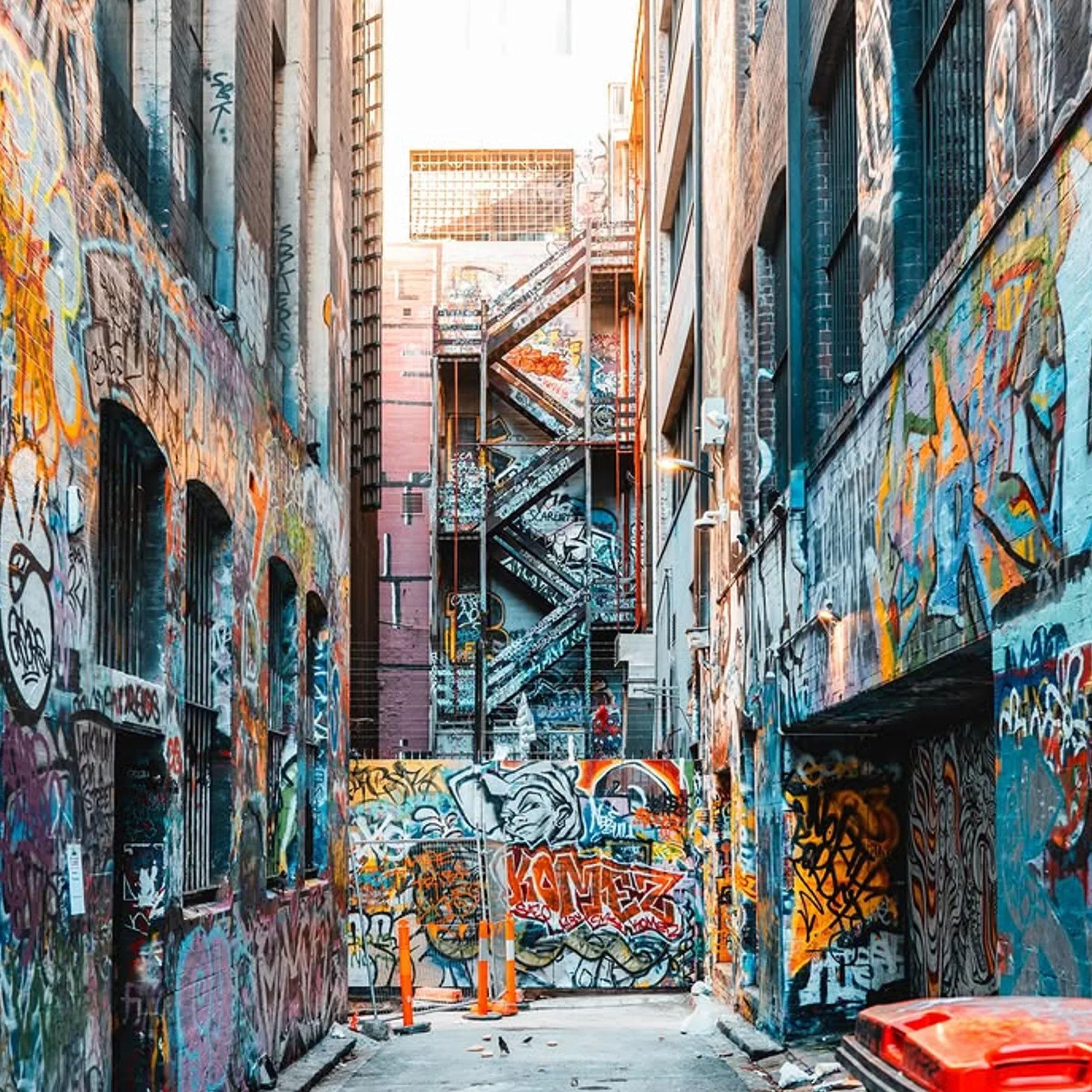
The 2026 revitalisation efforts in Australian cities are public-domain improvements that are best seen as connected. Sydney is making the link between destinations stronger, Melbourne is putting its emphasis on safer, greener streets and identity, Perth has climate in mind with its work in Northbridge and Mountain Terrace, while Adelaide ties its lanes in with the main street. Even a Chatswood council can make the model work outside the capital.
In the end the successful project is the one that is of use when the launch banners are gone. You will know it by the lasting shade and working lights, the accessible paths and the businesses that are able to trade. Through that kind of practical change an underused lane is made part of the city.