There is a basic rule to follow on the Great Ocean Road in rain: put your foot off the accelerator, put some space between you and the car ahead and be prepared to alter course. What would be a pleasant run along the coast can become quite an undertaking in these conditions with all the mist, fog, wet asphalt and the odd rockfall or debris to contend with on the winding bends.
Darcy Fairchild here, I am a writer from Geelong and make it my business to put down some practical observations on transport, weather and regional travel. While a normal shower will not bar your way on the Great Ocean Road, do not mistake that for ease of access; heavy rain and wind coupled with poor visibility will put off the uninitiated. You will find your journey takes longer, there are fewer places to put in a comfortable stop and the views have a way of vanishing into the cloud and spray. This is what one gets without the varnish of a brochure.
The Feel of a Rainy Drive
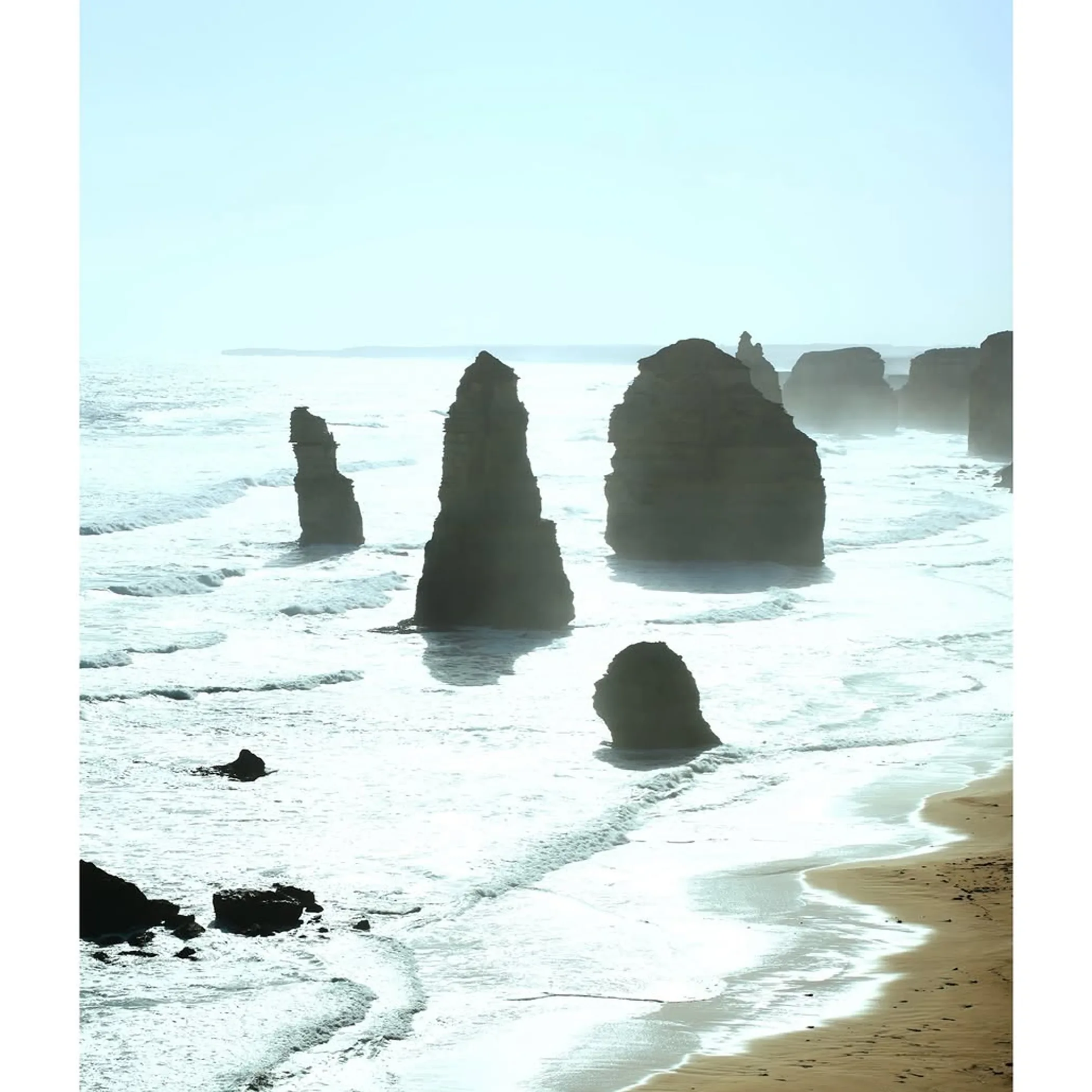
In light conditions and if time is not of the essence, it is no problem at all. But add in some wind, low cloud or the dark and it is a different matter. The ocean side is apt to be a distraction and the road seems to narrow.
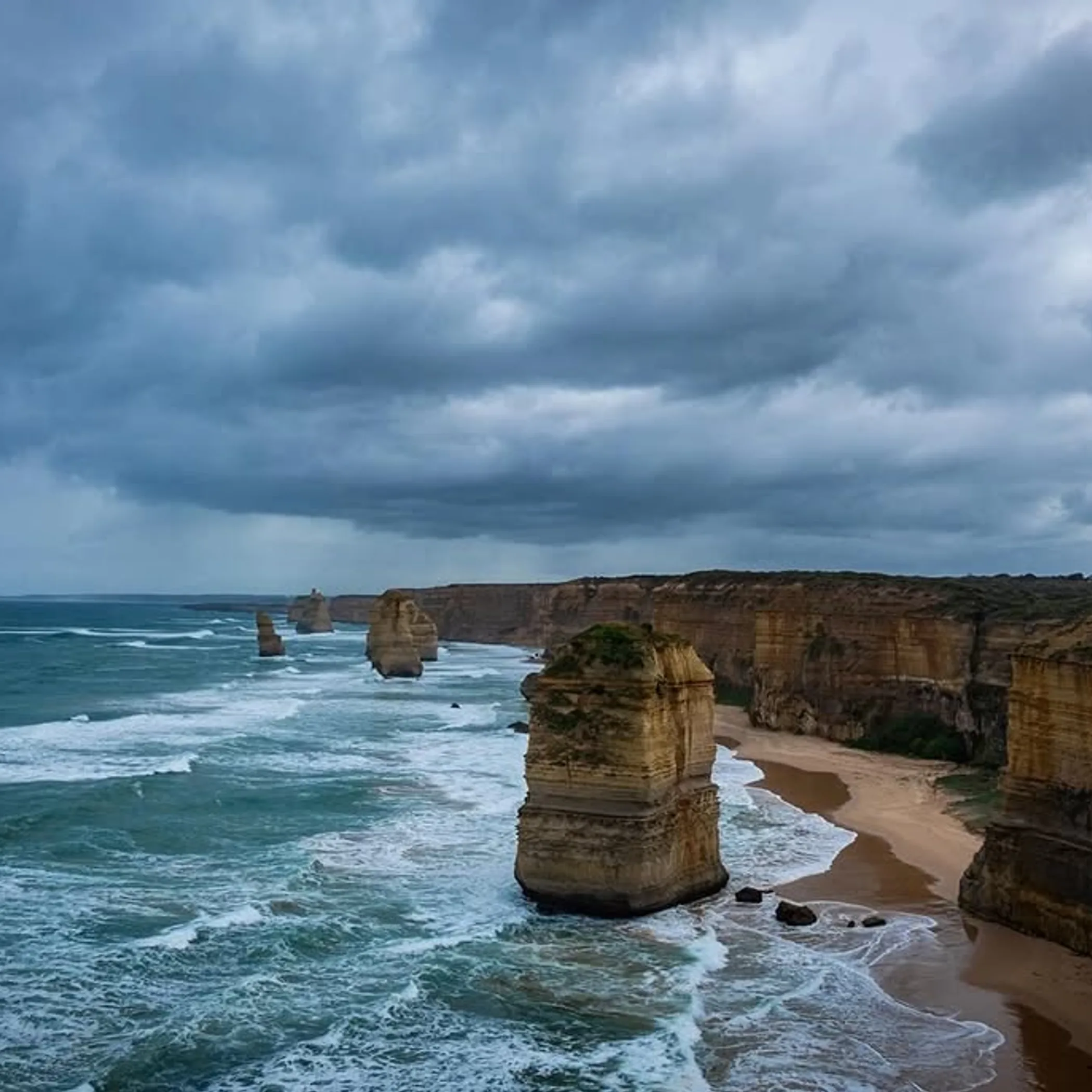
Then there is the matter of expectation and reality. One might think to make a stop at every lookout for a photo and an unbroken panorama of the coast. In fact you may find bays that are exposed or slick, or the coastline entirely obscured by spray. People are caught out by the transition from behind the wheel to on foot; after negotiating a wet bend with care one might step onto something treacherous beside the car in smooth shoes. Even the appointed lookout bays call for caution in hard rain and wind, they are safer than the shoulder but only just. For practical advice, see our driving tips for Great Ocean Road in rain guide.
Expectation and Reality
One might think to make a stop at every lookout for a photo and an unbroken panorama of the coast. In fact you may find bays that are exposed or slick, or the coastline entirely obscured by spray.
People are caught out by the transition from behind the wheel to on foot; after negotiating a wet bend with care one might step onto something treacherous beside the car in smooth shoes. Even the appointed lookout bays call for caution in hard rain and wind, they are safer than the shoulder but only just.
Where to Tread Carefully
You cannot apply a single speed to the whole of the 240 kilometres from Torquay to Apollo Bay, as open stretches and forested parts have their own character in the rain. In dry weather this is a full day’s work for many with stops to make; in the rain you should allot more time and let safety take precedence over checking off the lookouts.
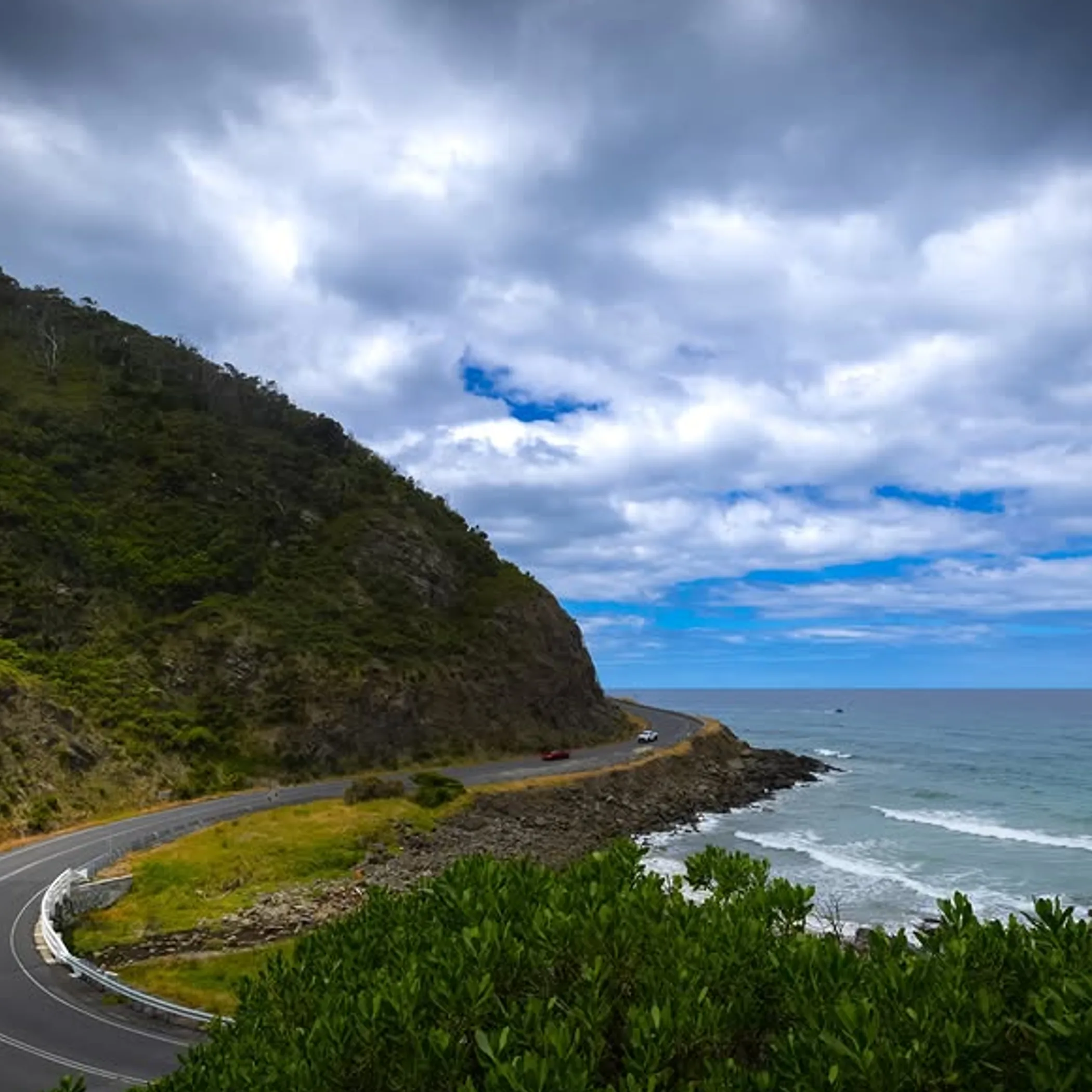
From Lorne to Apollo Bay calls for some extra vigilance. There are blind corners and not much room to pull over safely under the forest cover. It is a lovely part of the drive but not an excuse to put on speed.
Coast, Forest and Towns
Torquay and Anglesea see their share of traffic and pooling water at the intersections. Lorne has its cyclists and pedestrians and vehicles coming and going from the roadside. Apollo Bay has slower traffic making for the centre and the weather is fickle.
Head into the Great Otway National Park and the hazards are of another order. The tree line darkens the road and after a gale you may come across branches or debris. Very wet and the drainage is taxed, with water running across the road in small streams.
Do not be fooled by a clear road, a steep slope next to the carriageway can mean rockfalls after bad weather. Spot a hazard and slow in a controlled manner, give others room and put in a report to the Victorian road authority if need be.
A Question of Grip

The rain does things to the view through the windscreen but also to the contact between tyre and tarmac. The first of a shower is the worst for slipperiness when water and grime get mixed up.
Wet asphalt is not as forgiving as the dry stuff and standing water is an invitation to aquaplaning if you are on worn tyres or going too fast. On a bend it is a shock to have the steering and braking go momentarily soft.
Visibility and Surface Hazards
Trucks and oncoming cars will throw up spray in hard rain and a wet windscreen will reflect headlights, complicating any attempt to gauge distance.
Add to that the mud, leaves and small branches that can make you swerve, or a high-sided vehicle being put to one side by the wind in an open spot and you have plenty to occupy your attention.
There is a case to be made for the significance of minor decisions, and statistics will bear it out. At 80 kph you are putting 22 metres behind you in a second; take your eyes off the road for three seconds and you have put in some 66 metres before you are focused again. In the rain that is enough distance to come upon a bend, a puddle or a vehicle at rest.
Wet-Weather Driving Techniques
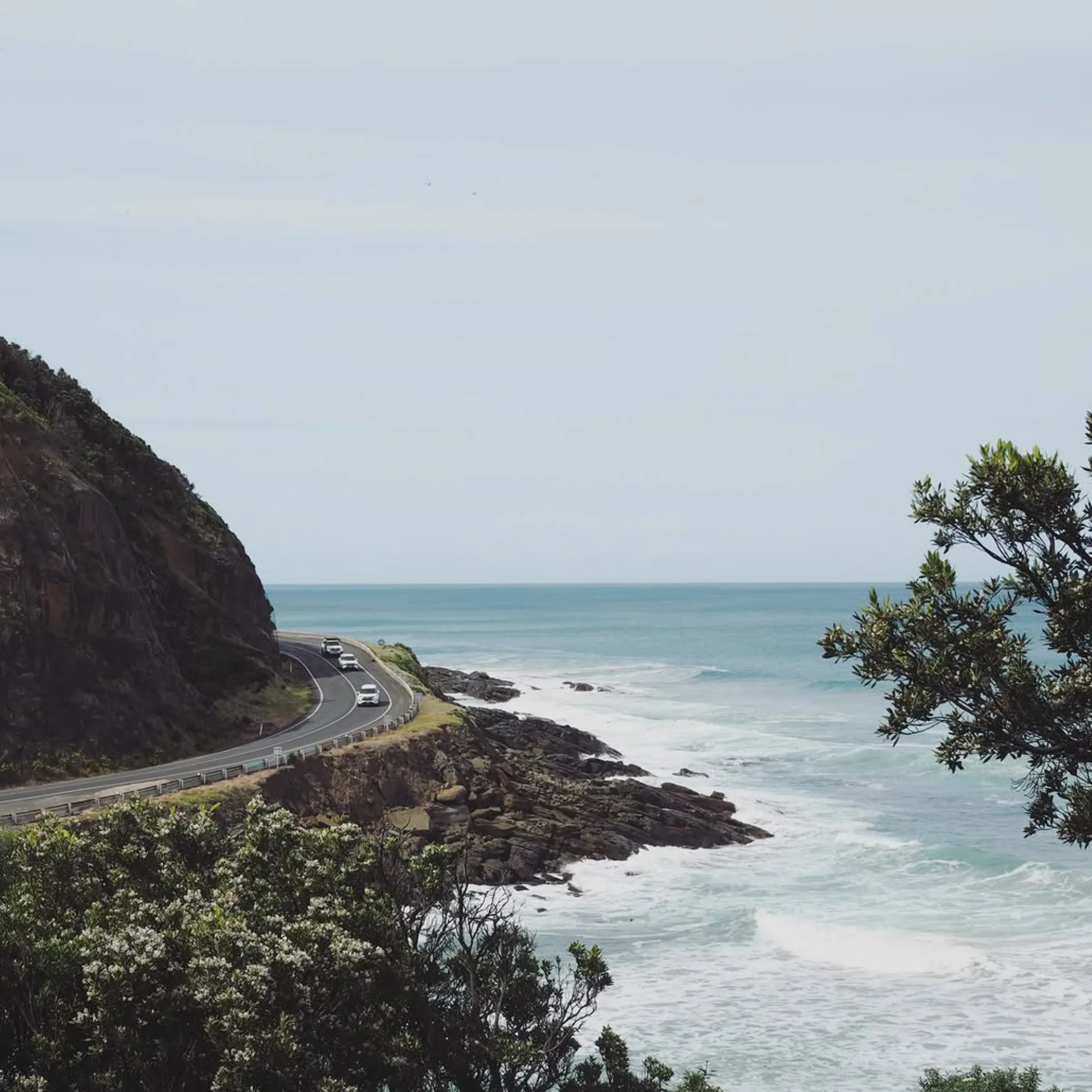
One has to be smooth with one’s inputs to drive the Great Ocean Road with any degree of safety. Apply the brakes sooner, make gentle steering adjustments and let the car accelerate in stages to preserve tyre grip.
A conservative and flexible manner is called for in wet weather. Should the posted speed feel unsteady on the road, put some left in and check what is behind you as you ease back.
A Larger Safety Margin
Wet roads lengthen your stopping time so give yourself more room to follow. Four seconds is a good working figure in normal rain, but leave more when it is hard to see or the car in front is putting up a spray.
Put your headlights on in daylight if it is raining for the benefit of other drivers, though in mist or a downpour high beam is best left off since the reflection can wash out the view ahead.
Hands should be on the wheel and mobile phone put away. Leave cruise control off where there is pooling water, you want to be in command of your acceleration.
The odd moment of aquaplaning should not rattle you. Steer where you mean to go and lift off the accelerator without any hard braking until the tyres are back in contact; do not try to wrestle the wheel to make up for a loss of grip.
Stop Where It Is Safe
Proper pull-over bays, signed parking and the like are where you should stop. Do not put the car on a narrow shoulder for a dramatic picture the rain has afforded or because the view is tempting.
Make sure of passing traffic and cyclists and the ground underfoot before you open the door. Have the children close by and stay clear of any edge that does not look stable. There is no need to be in the worst spot to demonstrate how impressive the ocean is.
Preparation Before You Go
The trip starts well before the first turn. Some elementary checks will save you from a damp wait on the side of the road or a breakdown of your own making.
Tyres are of prime concern: inspect the pressure and tread while they are cold and verify the jack and spare are in order. Worn tread has less of a channel to displace the water.
Five-Minute Check of the Vehicle
- Run through the wipers, indicators and lights.
- Give the windscreen and mirrors a clean.
- See that the coolant and washer fluid are topped up along with the fuel and any phone chargers.
- A torch, some water and a warm layer should be in the car.
- Download your maps; reception is not to be counted on in the Otways or along the coast.
For a fogged windscreen the defroster and air con work well in tandem, the latter to draw moisture from the cabin and the former to put warm dry air on the glass. Cracking a window is no replacement for seeing properly out of the windscreen.
It is wise to plan where you will refuel. Not every small town will have a station open when you get there, not in the off season. Bookings and opening hours for food and lodging are worth confirming if rain is in the forecast.
Poor Visibility
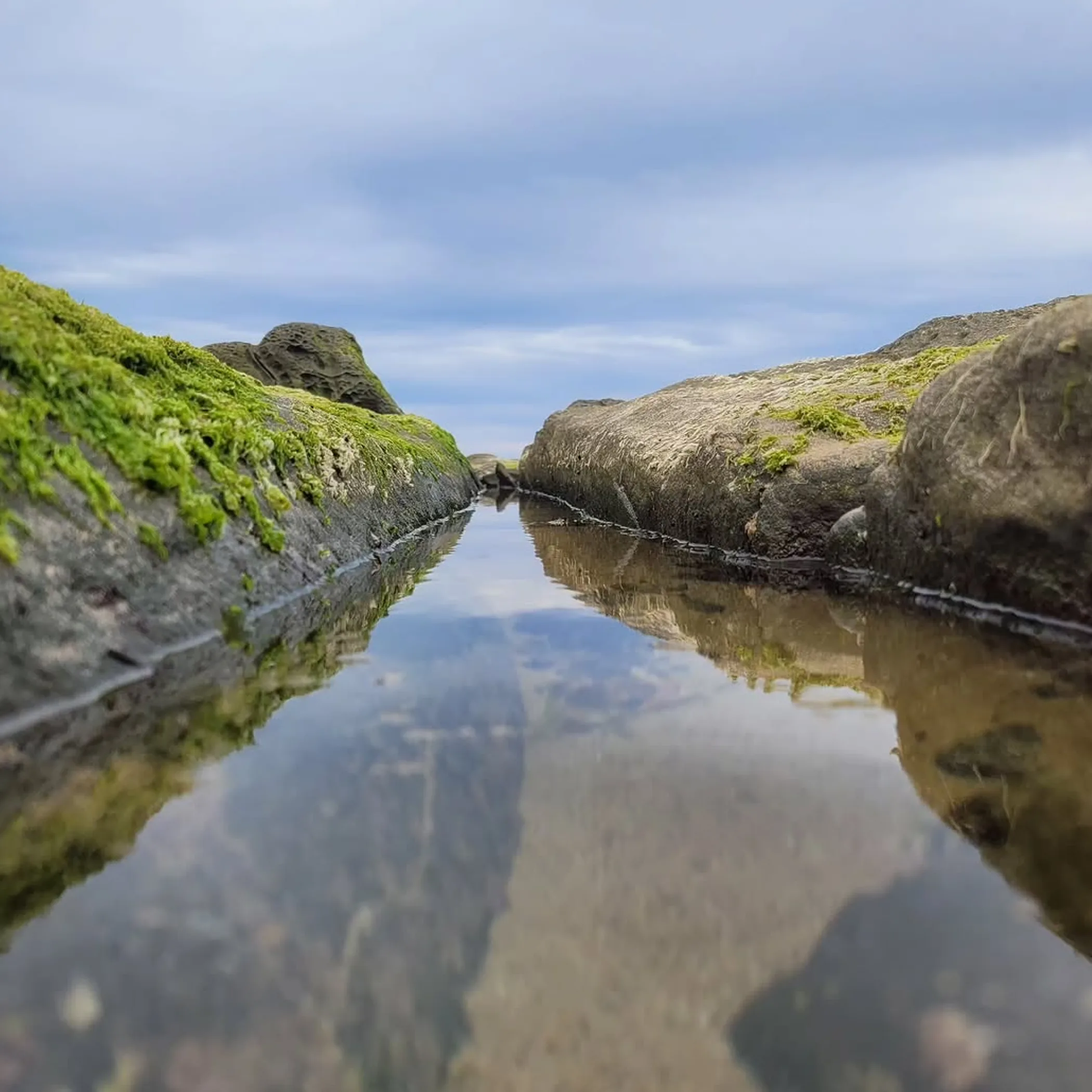
Rain or spray will obscure the road at times, then you slow down. If it is still too much to see, a legal place to put in is better than taking a chance on the next lookout.
A blind bend, a tree line or a traffic lane are not places to stop. If a safe bay is not to hand, use your hazards and keep an eye on what is coming up behind as you put in just enough distance to find one.
Turning Back
If the driver is fatigued or the car is struggling, or the conditions are beyond what you are used to, turning around is the sensible thing to do. Make the day about a shorter stretch from Torquay to Lorne for instance instead of pushing the whole route in a heavy rain.
Those driving a large vehicle or who are not at ease with winding roads in the wet would be well advised to miss the more exposed parts in bad weather and consider a tour or another day altogether.
One day is all you have? Make an early start, pick a section to focus on and put some time in the schedule for when things are going to be slower. Should the weather turn for the worse, an inland road back may prove more sensible than following the coast; verify conditions first though.
Forecasts and Road Updates
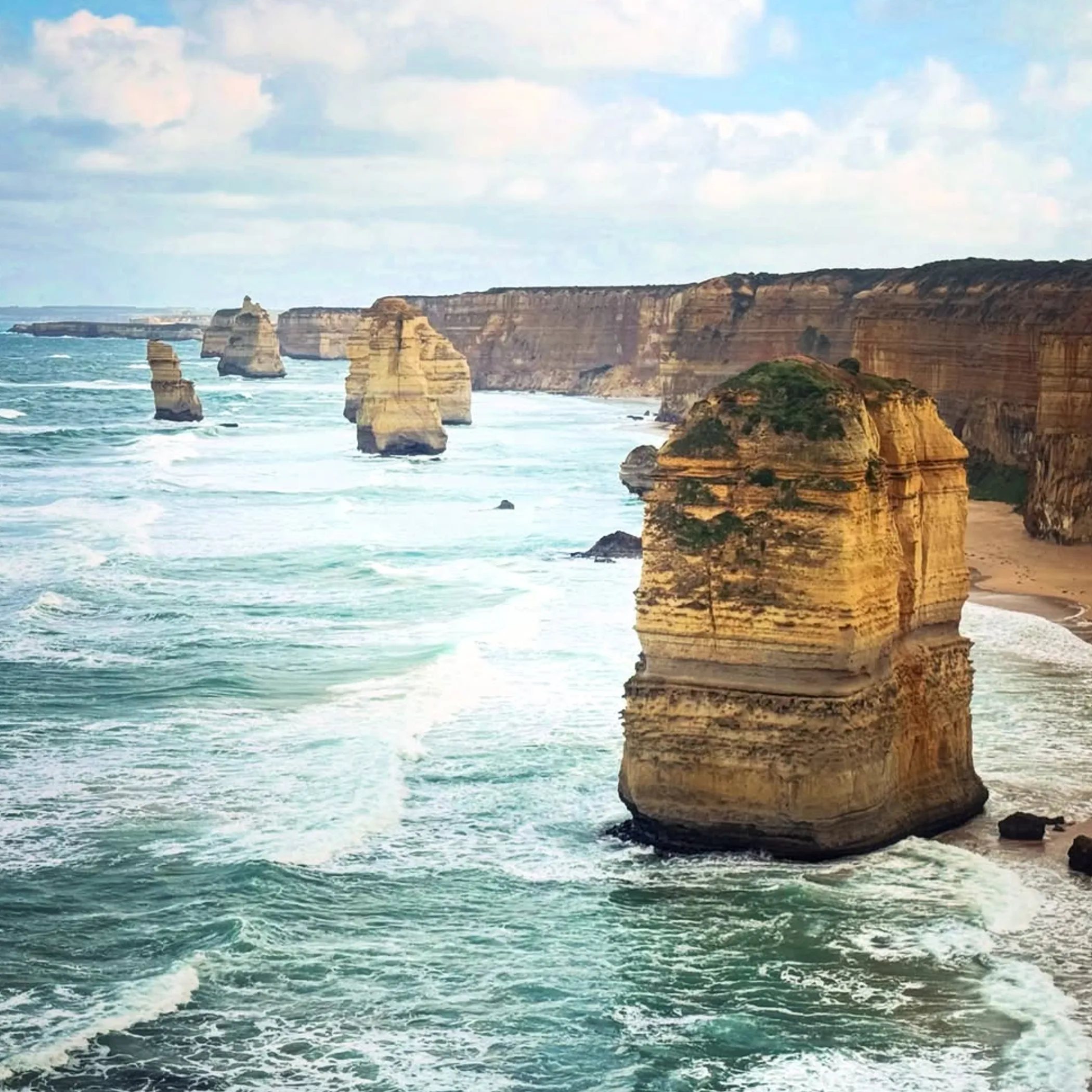
Do not take a sunny forecast for inland Victoria as assurance of dry weather by the ocean or in Great Otway National Park. The coast is given to quick changes so consult the forecast not long before you leave and en route. VicRoads will have the latest on any warnings or closures via their official traffic information. Heed them. A closure is to be taken as an instruction, not something for the intrepid four-wheel drive owner to put aside.
Plan for Patchy Reception
Reception can be patchy in places. Put together your offline maps, let someone know where you are headed and do not depend on live navigation at every corner.
Have plenty of water on hand and a full tank for any hold ups. Should you come across a closed road, there is no point in going round the barriers or down an unmade track. You could be met with a fallen tree, flooding or an emergency crew at work.
Torquay to Anglesea: Expect coastal spray, intersections and a fair bit of traffic. In the rain, give pedestrians a wide berth and allow for more room to stop.
Anglesea to Lorne: With its curves and exposed coastline the weather here is apt to change. Slow down on the bends and make use of the bays.
Lorne to Apollo Bay: A winding road under forest cover with mist and fog to contend with. Debris is possible and travel will be at a reduced pace.
Apollo Bay and the Otways: Visibility is variable on these forest roads and the leaves will be wet. In bad weather stay off side roads you do not know and check for any closures.
Is it Heavy Rain?
Not necessarily a dealbreaker. Light to moderate rain does not of itself render the Great Ocean Road unsafe. It is a matter of wind, what is on the road, how well one can see, the state of the vehicle and the driver’s experience and any extant warnings.
But with heavy rain the calculus is different. When you can not see far enough to react in safety or authorities have put out a warning and reported closures, put the drive off. The coast is not going anywhere once the weather has passed and is far less obstinate than a dented bumper.
The Sort of Traveller This Drive Is For
The sort of traveller this drive is for is one with patience for an itinerary that must be flexible and who is at ease on winding roads. Those of limited experience on rural coastal roads or who chafe at being tied to a timetable would be better served elsewhere.
Winter brings cooler air and less daylight as well as its share of wet-weather interruptions. Roads may be quieter but an early start and a return plan that is realistic become all the more necessary.
Frequently Asked Questions
Driving in the Rain: Best Advice?
Take it easy, put some distance between yourself and the car ahead, have your headlights on and eschew any abrupt braking or steering. Use the defroster and air con to keep the windscreen clear and if visibility suffers, find a safe bay to pull in.
Which Direction?
You will find most people like to go from Torquay to Apollo Bay as it is with the coast and the ocean-side vantage points are on the left. But let the traffic and weather be your guide and pick the way that affords you the better daylight and a sound plan for the return.
What of Heavy Rain?
Ease off the accelerator, steer clear of standing water and leave a good gap. If you can not make out the road, wait it out in a safe and legal spot.
Safest Course of Action?
To call it a day when you can not react to the conditions. Hazard lights are no licence to carry on at an unsafe speed and never go past a barrier.
A Beginner in the Rain?
In light rain and if they are comfortable with the road and do not push the car to the point of feeling uneasy, yes. For a first time around, night driving, fog and high winds are not advisable. Opt for a guided trip or a shorter stretch.
A Word to the Wise
There is value in the Great Ocean Road even in the rain provided you can be patient and the conditions are in order. Prepare the car, get your offline maps and do not view poor visibility as a challenge. See what VicRoads has to say and slow down.
Before you set out you might want to put this guide to hand and have another look when the forecast is grey. A good trip is not measured in the number of stops made but in everyone getting there in one piece, dry enough for a coffee and with a story to tell.