The notion of a quick cosmetic fix is being left behind with Regenerative Aesthetics Australia 2026. There is a growing inclination to find out what a treatment can do for the skin in terms of renewal, collagen and an overall healthier appearance, all without it being overdone. I have spent years in the Australian beauty and wellness sector and in that time I have come to understand, as Darcy Fairchild, that one does not want to be sold on a glossy promise but to have a frank discussion grounded in what is realistic.
Trends of the moment are PRP for skin rejuvenation, exosome therapy, polynucleotides and more advanced injectables. Then there are plans of treatment put in place for the sake of the skin’s health, not just to put fewer wrinkles on the face. But evidence, cost, regulation and suitability will differ from one option to another. Choosing choosing experienced beauty treatment experts can also help ensure the treatment is appropriate. Do not assume a “regenerative” label makes something safe or right for any given face.
What is Meant by Regenerative Aesthetics
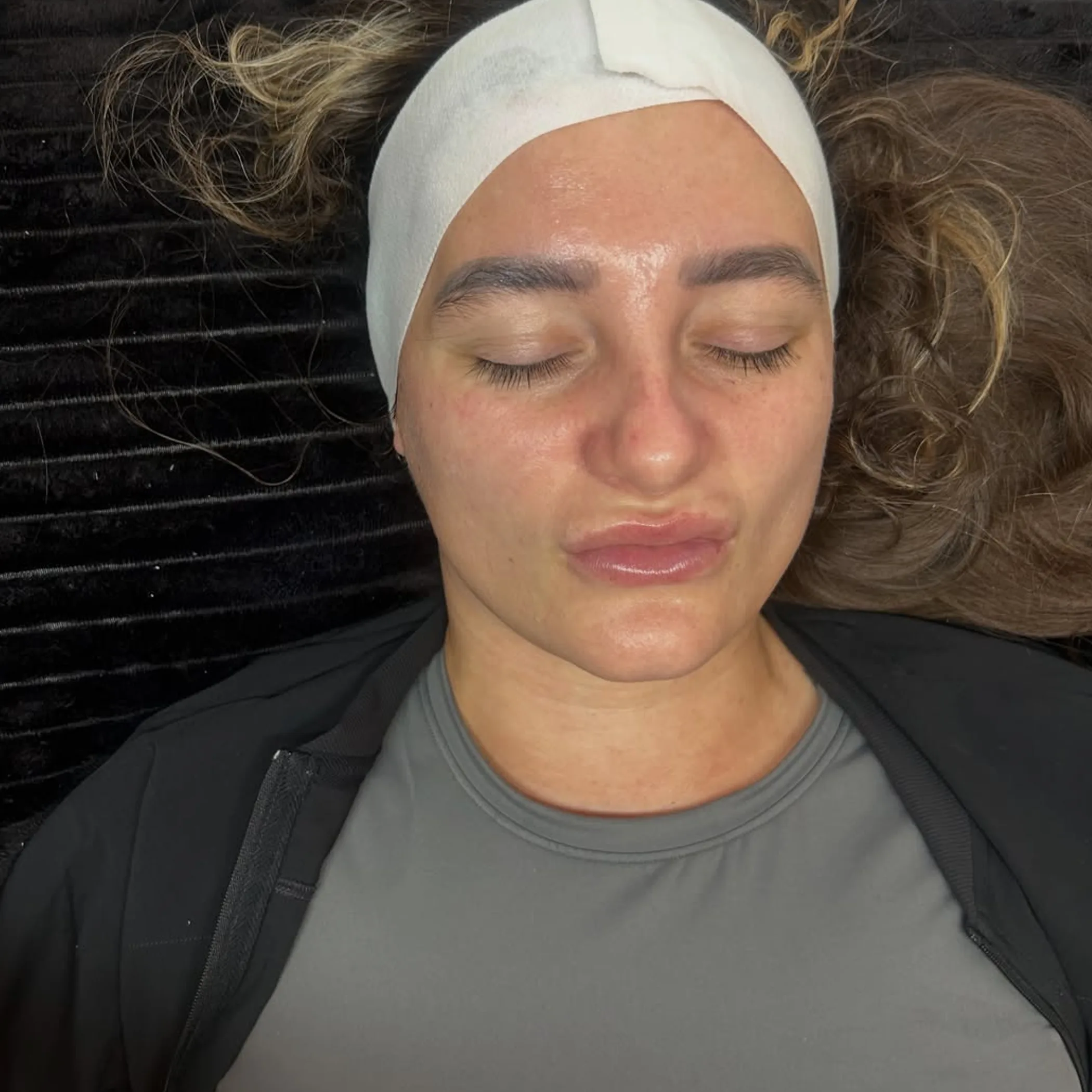
In cosmetic terms it is about coaxing the body into its own repair work, be it for tissue support or to renew the skin. It is a catch-all phrase; you could find two clinics applying it to anything from platelet-rich plasma to device-based procedures.
What one is after is a slow build in the way the skin looks and feels, in texture and firmness. It is a more natural outcome than something dramatic, though “natural” is no guarantee of permanence or that there are no risks. Skin is skin.
Repair Over Replacement
You will see traditional methods set about resurfacing the skin or putting volume in where there was none, or relaxing the muscle. Regenerative approaches tend to be about biological stimulation, how exactly depending on the product.
PRP is derived from the patient’s blood. Polynucleotides are put forward as an injectable to aid skin quality and repair. Exosome therapy is something of an umbrella term for ingredients or cell-derived particles. They are not the same thing.
A Question Of Evidence
Not all of these treatments are backed by the same weight of clinical research. One has to consider the dose, the area being treated, the technique and so on. A good story from the lab is not a proven result in the clinic.
Make enquiries before you book. What is the intent of the treatment? Is there evidence for this particular product and is it being supplied in Australia as the law allows? The Therapeutic Goods Administration can put some of the regulatory side of things in perspective.
The Trend In Australia
Providers are touting regenerative aesthetic treatments in line with a move away from surgery and towards prevention and skin health. Clients do not want to be off work for long or to look as if they have been done. Nor do they want to undergo a major procedure.
There is also the matter of convenience and lifestyle. An Australian client has to contend with the climate, dry air indoors, the odd bit of swimming or sport and the distances between regional areas and the capital city clinics. The plan should be suited to reality.
Demand For The Natural Look
It is not uncommon to want a restful look and some hydration as opposed to a forehead that has been frozen. This is giving such treatments a profile in cosmetic clinics.
But managing expectations is key. Fine lines may be improved but not banished. You will get a glow but it is no substitute for sunscreen or a decent skincare regimen. “Regenerative” is not a way to turn back the clock, more of a gradual form of support.
Convenience Is Key
The practitioner of choice might be hours away for some. A Geelong resident will make the trip to Melbourne; those in country NSW or Queensland have to factor in accommodation and the odd day when the clinic is open.
Put aside the time for a consultation and to go through consent and aftercare. When driving in, check on parking and do not hurry from the car park. If you are on public transport, have your return worked out so you are not left waiting in the sun or put to any exertion once the treatment is done.
On Polynucleotides And Exosomes
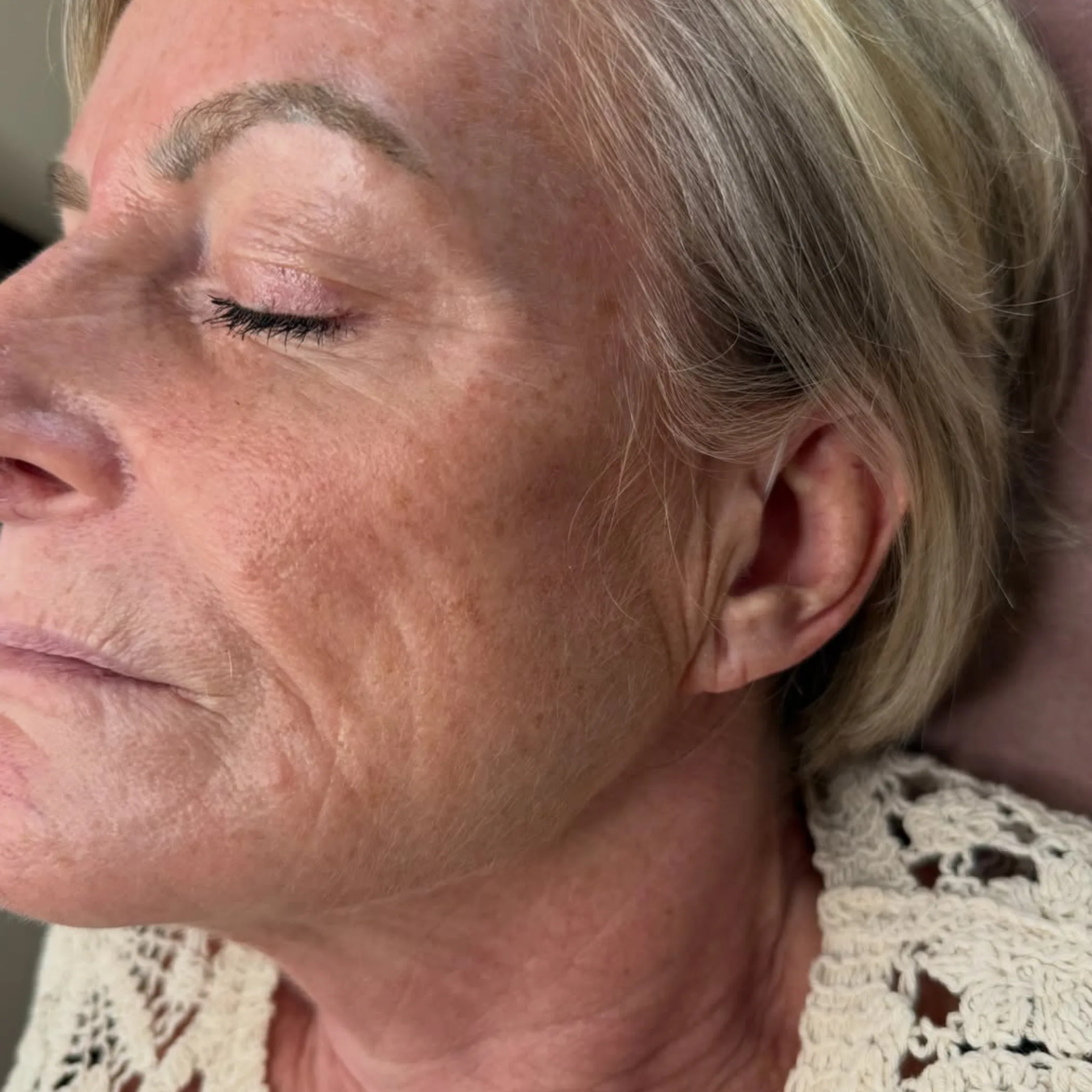
These are the aesthetic technologies that will be much in vogue in Australia in 2026. The talk will be of cellular-level results in no uncertain terms, yet plain speaking on the risk and the evidence is called for.
It is of little consequence if the treatment is modern sounding. The onus is on the clinic to put forward a product of which they can give a clear description, its purpose and an honest appraisal of what it will and will not do.
Polynucleotides: the fundamentals
In certain aesthetic circles polynucleotides are an injectable option for skin quality. A clinic might talk up the benefits in terms of texture, elasticity and hydration as well as a more measured kind of improvement. Do not be under the impression that one session will do it all; expect to undergo a series of treatments.
Find out from the practitioner how many he or she would put you through, if the injection sites are right for your particular skin issues and what recourse there is should the outcome be to your displeasure. There is likely to be some tenderness, redness, swelling or bruising in more sensitive spots, so put off the procedure until after any passport photos, weddings or work presentations are out of the way.
Exosome therapy: questions to be asked
The link between exosomes and cell signalling has made this therapy something of a talking point. But in an aesthetic context the nomenclature can be applied to all manner of delivery methods and formulations. You cannot judge the safety, quality or effectiveness by the name alone.
Inquire as to where the product was made and stored, whether it has been reported to have any adverse effects and if it is approved for the use being suggested. If a provider is touting “zero risk” or guaranteed results at a cellular level and dramatic rejuvenation, let it raise your eyebrows, not your credit card.
PRP and other biologically derived options
PRP is still much in vogue for skin and facial rejuvenation, or even thinning hair in some instances, since it is platelet-rich plasma from the client’s own blood. The protocol and evidence will differ though.
Then there are products from human or animal sources, the client’s tissue or prepared in a lab. Sourcing, sterility and suitability should be thoroughly covered with these.
How PRP Usually Works
In the case of PRP the process is straightforward enough: the practitioner obtains a blood sample, puts it through its paces and injects or applies the plasma to the area in question, using a topical anaesthetic and a needle. One might be left with some redness for a while.
But PRP is not for all. Eligibility can be called into question by pregnancy, an active infection, medication or a blood disorder. Put the full picture to the practitioner, including any supplements, instead of thinking a cosmetic practice need not know.
Things to watch for
Clients will often make the mistake of regarding PRP as a filler. It is not. The change in facial shape is not what is to be expected so much as in the skin texture, and it is a slow process. Some get a good response, others not so much.
The number of visits can also come as a surprise. An initial course is usually advised by the provider and then maintenance, making the tab a good deal higher than the per session rate. Get a figure in AUD for the whole of it, consultation and aftercare included.
A more natural result with less time off
Regenerative skin treatments are appealing for the minimal downtime, allowing one to go about the business of an ordinary Australian life, be it work, the school run or a swim.
Yet minimal is not none. You may have to put up with peeling, sensitivity or bruising. It is no good having family photographs down for Saturday if your skin is going to look worse before it gets better.
Expectation and reality
| Expectation | Reality |
|---|---|
| One visit to the clinic will put right the skin? | In reality a course is needed for gradual change. |
| Regenerative is synonymous with natural and without risk? | Any procedure warrants professional scrutiny. |
| No visible reaction with minimal downtime? | Redness and the like can persist for days. |
| Nothing to maintain for a natural look? | Sun protection and reviews are still part of it. |
| You get what you pay for? | Not if the technique or product is wanting. |
Recovery in practice
Make of the day a light one after a first appointment. Unless the practitioner says otherwise, do not book in a strenuous gym workout or a long day at the beach.
Should time be short, resist the temptation to pack several procedures in because the clinic visit is something of an occasion. Stacking procedures does not equate to better outcomes.
Where longevity medicine and aesthetics converge
There is an increasing overlap between the two in matters of prevention and the long term health of the skin. The conversation is not just about wrinkle treatment but how the skin is affected over time by stress, nutrition, sleep, smoking and the sun.
There is value in a more expansive approach, provided it does not lose its footing. One must remember that no cosmetic procedure can stand in for proper medical care or make up for conditions left unmanaged. The sort of plan worth having will be one that takes a person’s health history and the way he or she lives into account as much as any aesthetic objective.
Long-Term Skin Health
A plan with an eye to longevity will have some common sense about it: regular review of whatever concerns arise, a steady skincare regimen, dealing with acne or pigmentation and making sure there is daily broad-spectrum sun protection. There is room for procedures in such a plan but they should not constitute the plan in its entirety.
It is worth asking if the practitioner has given due consideration to your allergies, medications, scarring, skin type and what has been done before. A treatment that works for a friend of the same age and postcode may well be the wrong choice for you.
Numbers That Are Worth Tracking
Put down the figures: how many sessions, time from one appointment to the next, baseline photos, any side effects and their duration, total spend in AUD. You will find these are better indicators of value than a good memory or the lighting in a clinic.
When it comes to review, put photographs side by side at like angles and under the same light. Note if the difference is in firmness, texture, volume, hydration or pigmentation. It makes for a more productive discussion on outcomes than vague contentment.
Opting For A Safer Plan
Product transparency, consent, infection control and the training of the practitioner are what to look at prior to booking a regenerative treatment. Do not let a well presented clinic lull you into accepting something unsuitable; a practice of modest appearance can be every bit as good.
During your consultation the following checklist is recommended:
- What precisely is being put forward and for what? What evidence is there for the protocol?
- What are the risks, both serious and the more usual side effects, and the warning signs?
- How many sessions are in prospect and what is the estimated bill in AUD?
- Who is doing the work and with what credentials? Who is on hand should complications occur?
- What is to be avoided in the period before and after?
Know When To Wait
If there is an active infection, a rash of unknown origin or a sunburn, or an event coming up that would impinge on recovery, it is best to put off treatment. A good practitioner will not mind telling you to wait or to have a medical check.
Should you have any of the following after a treatment – fever, difficulty breathing, vision problems, marked swelling or redness that is spreading, severe pain – get medical advice at once. Leave the assessment of a complication to a doctor, not the comments on social media.
The Expertise Of Your Beauty Treatment Provider
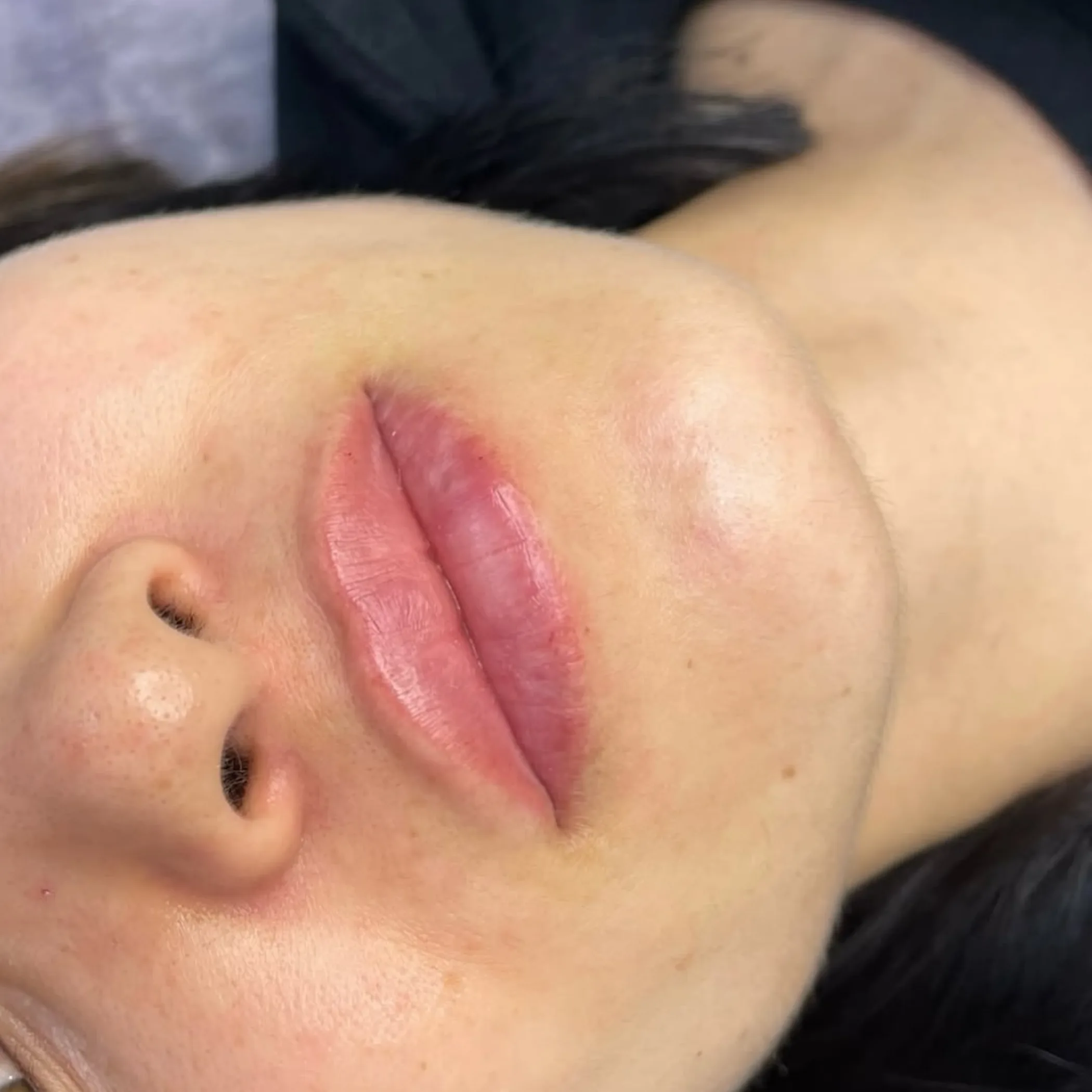
Technique and aftercare are as much a factor in safety as the product, so experience counts. An expert will give straight answers and be open to talking alternatives, even the option of not doing anything for the time being.
Make sure the clinic has the right emergency protocols and a follow-up process in writing. You want to know who is to be contacted after hours and whether the practitioner will see you personally if you are not happy.
Making A Comparison
Do not go by the name of the SPA+CLINIC or Derma Medical AUS alone. See for yourself the protocol and the product and put some direct questions to the professional about his or her qualifications and what is on offer.
Be slow to be swayed by a countdown offer or a package without explanation, or the notion that a treatment is for all comers. If the sales talk is overshadowing the consultation, put your wallet away. An evidence based treatment should be accompanied by an evidence based conversation.
Frequently Asked Questions
Some of the questions that come up in Australia when one is mulling over regenerative aesthetics are answered briefly below. They are of use, though a consultation is still called for.
On the safety of regenerative treatments
“Regenerative” is no safety net. With a qualified practitioner and the right product and procedure they can be suitable for some. It is a matter of the injection technique, the quality of the product, aftercare and medical history.
Polynucleotides versus PRP
One is not inherently superior to the other. Polynucleotides is an injectable preparation of a different kind to the material PRP is made from in your own blood. What is right for you will be a question of your expectations and health history as much as the evidence and the practitioner’s view.
Can exosome therapy put skin back together?
It is put forward as a means of repair and rejuvenation but the term is used for a variety of products and methods. Get the regulatory details and the evidence for the cosmetic application. Do not be taken in by talk of permanent results.
Downtime
Ask for a likely range of recovery and be conservative in your planning for travel or sport. Some will have a few days of bruising or tenderness, others a little redness.
Who is not a candidate?
Those with bleeding risks, allergies, uncontrolled skin issues or other contraindications. Pregnancy and certain medications are also factors. Provide the full medical history.
2026 In Review
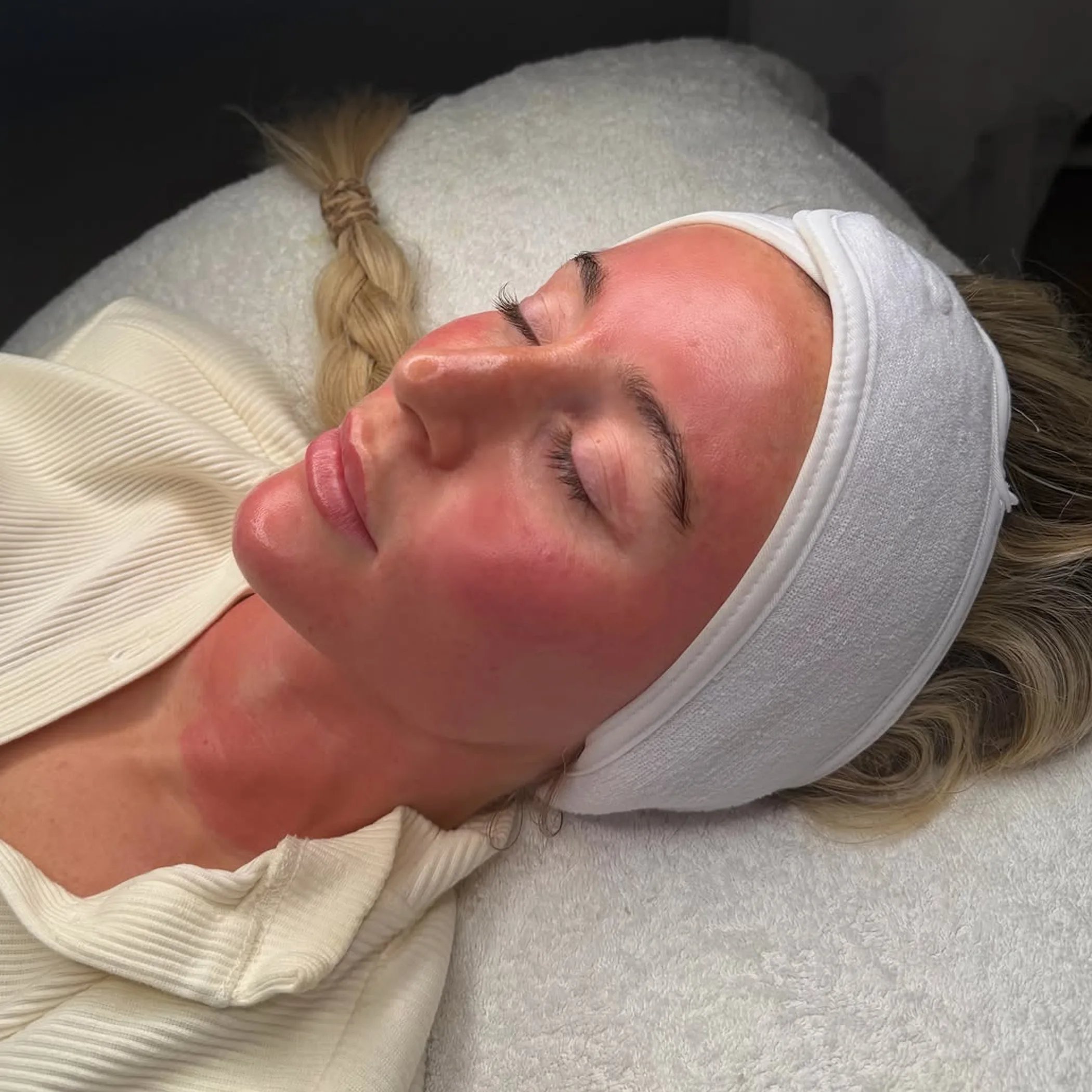
In the 2026 regenerative aesthetics scene in Australia the emphasis is on informed choice and the gradual bettering of skin health. Advanced injectables including exosome therapy, polynucleotides and PRP have their uses but the risks and benefits are not one and the same.
Look at the evidence, the cost in AUD, the expertise and the plan for follow-up before committing. The most dramatic result is not necessarily the most compelling; often you are better off with skin that is healthy and rested and bears no doubt that it is your own.